HLA Travel Group
✆: 919-490-0555 | ✉:
HLA Travel Group
✆: 919-490-0555 | ✉:



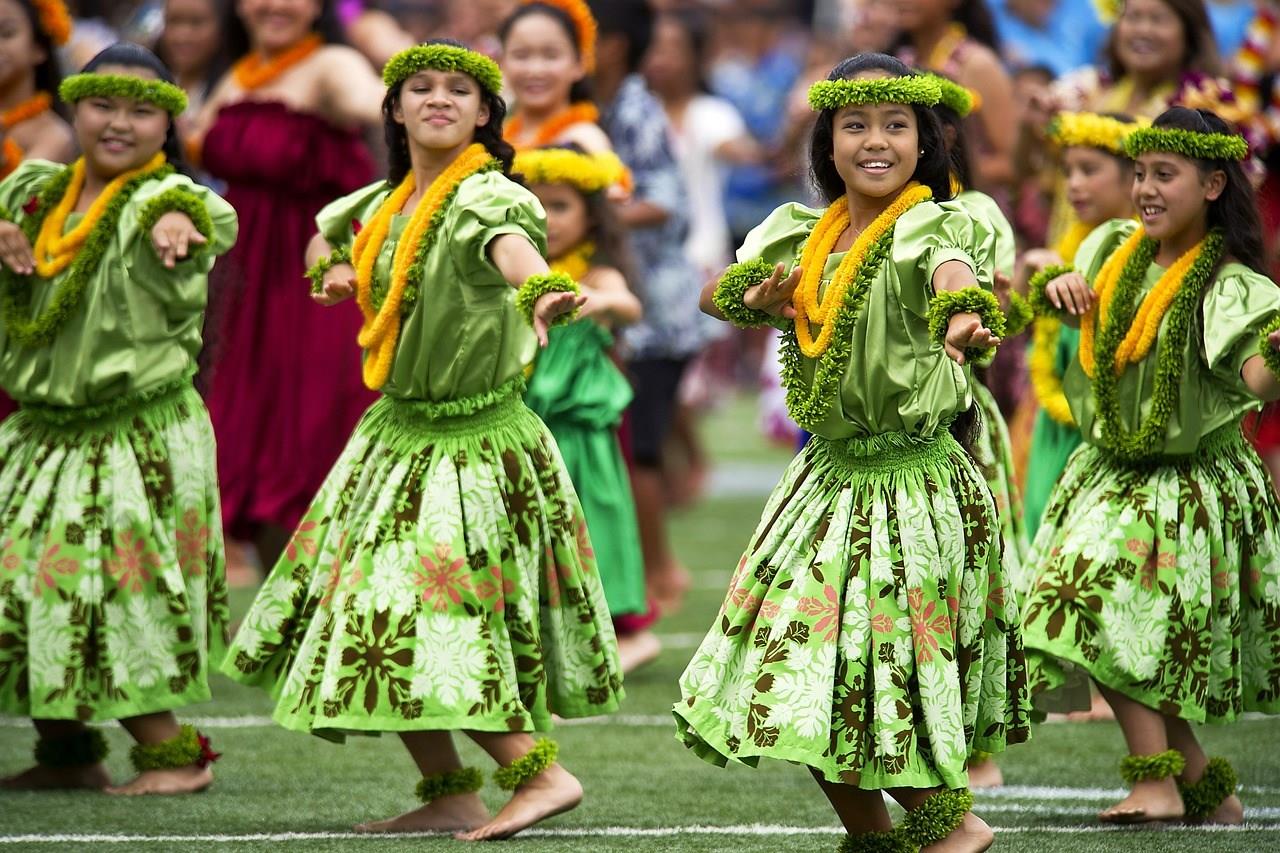

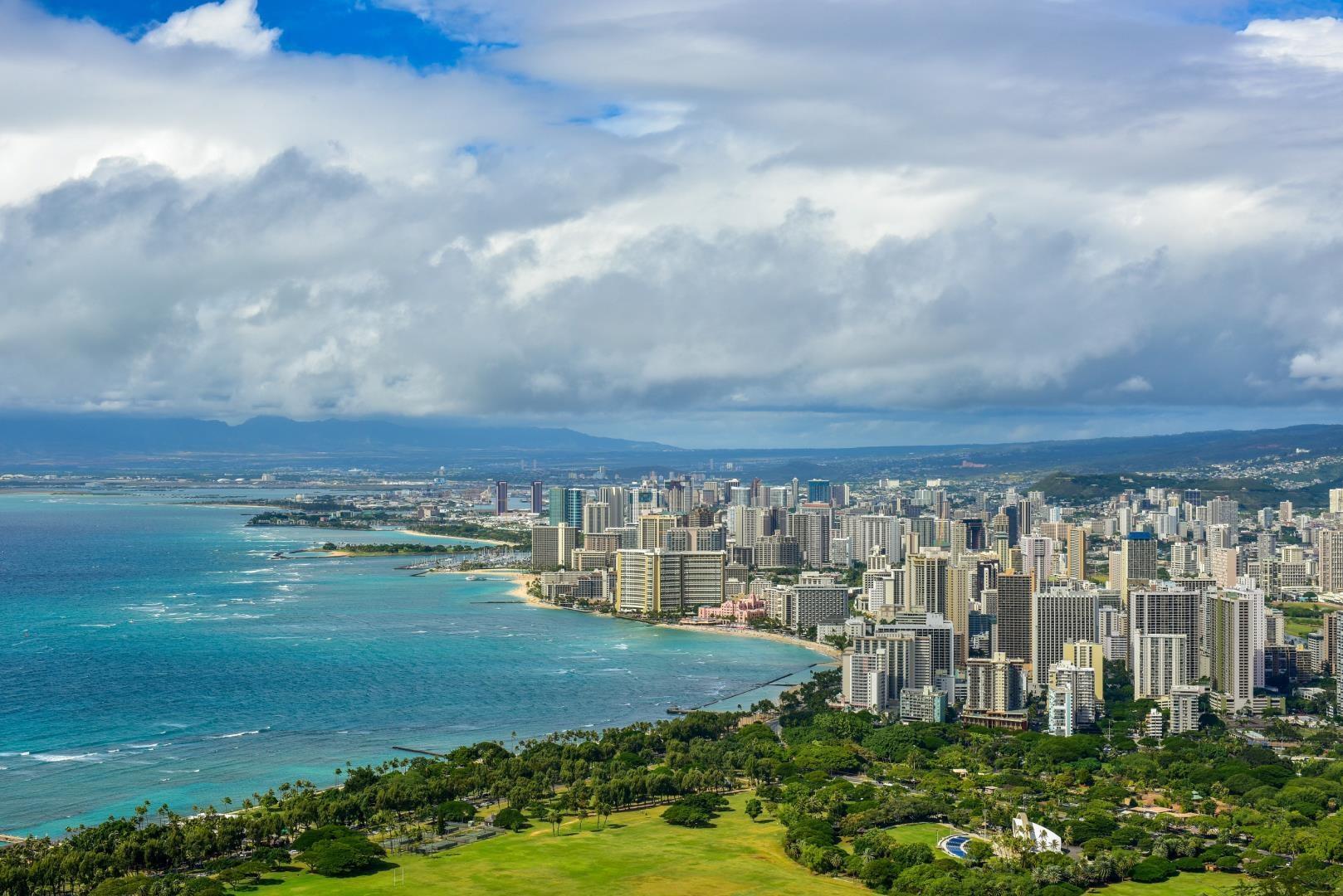

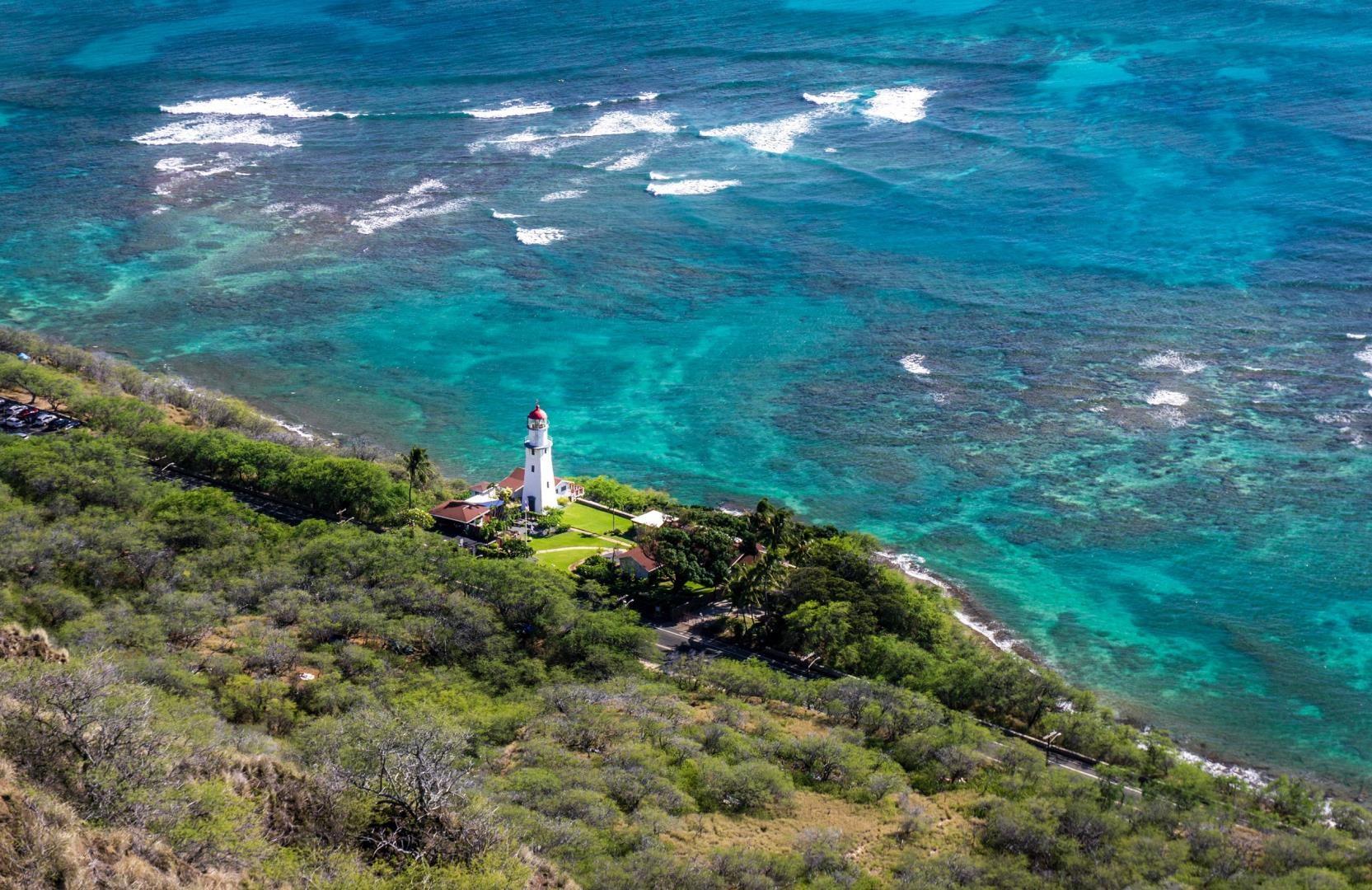

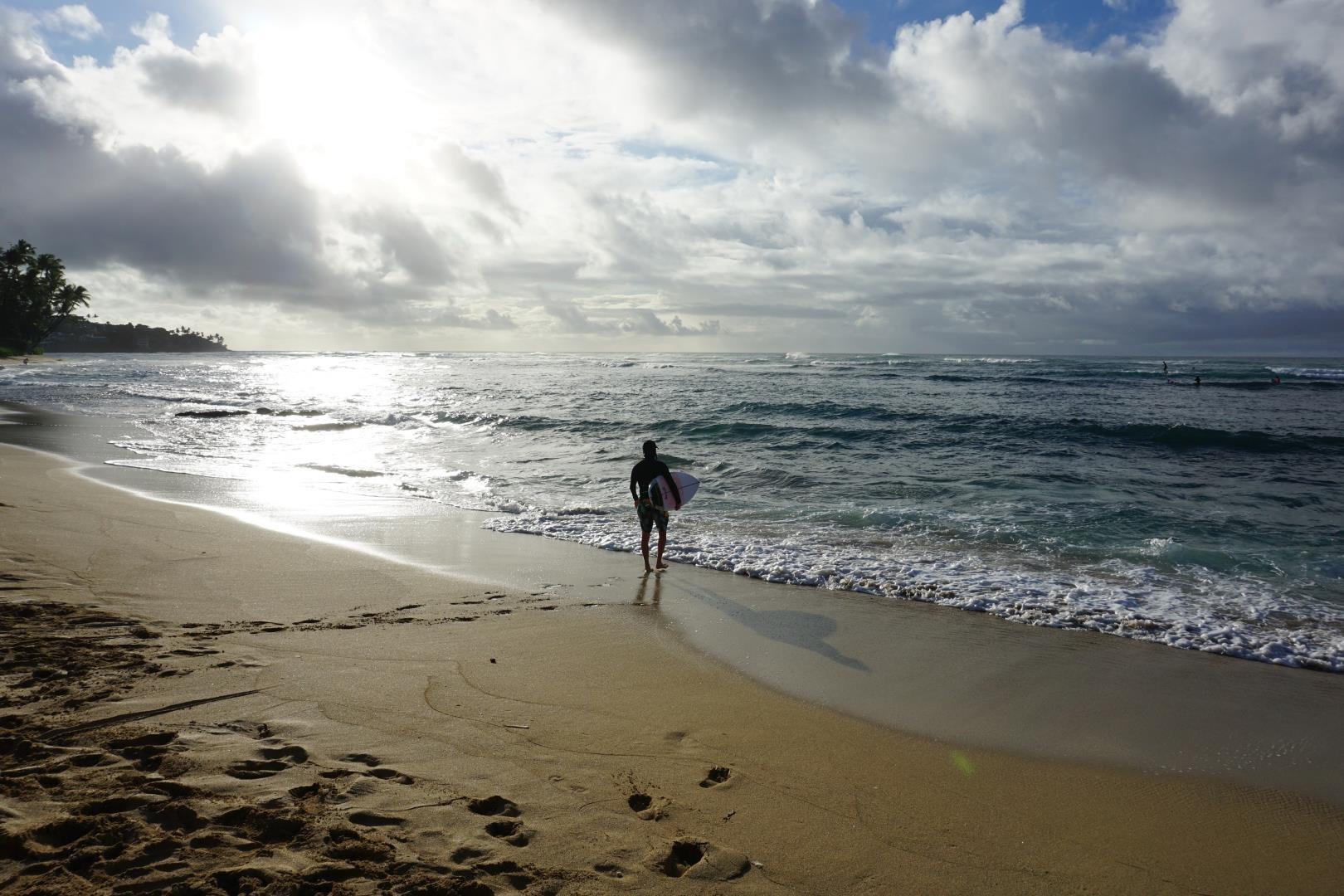

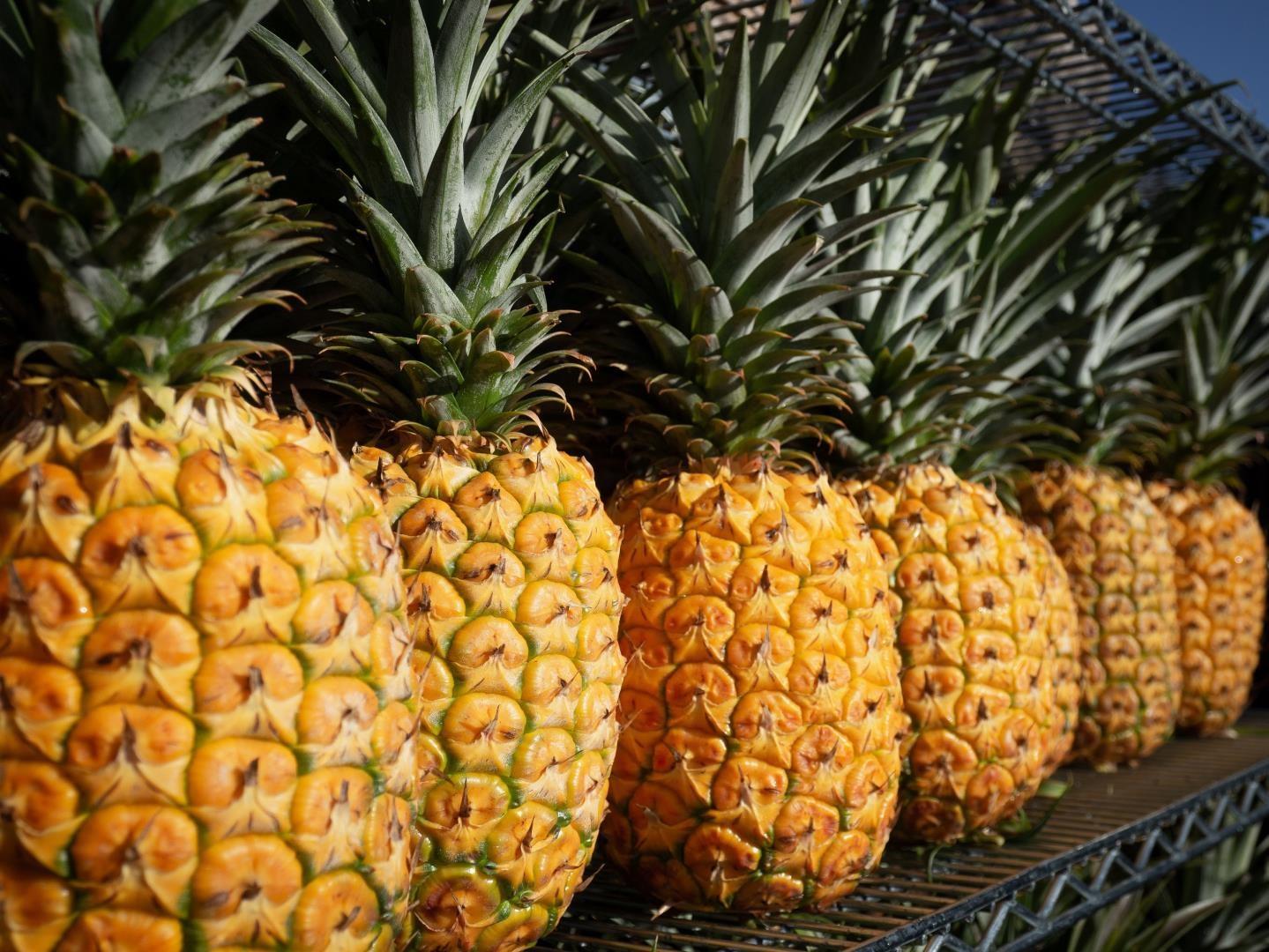

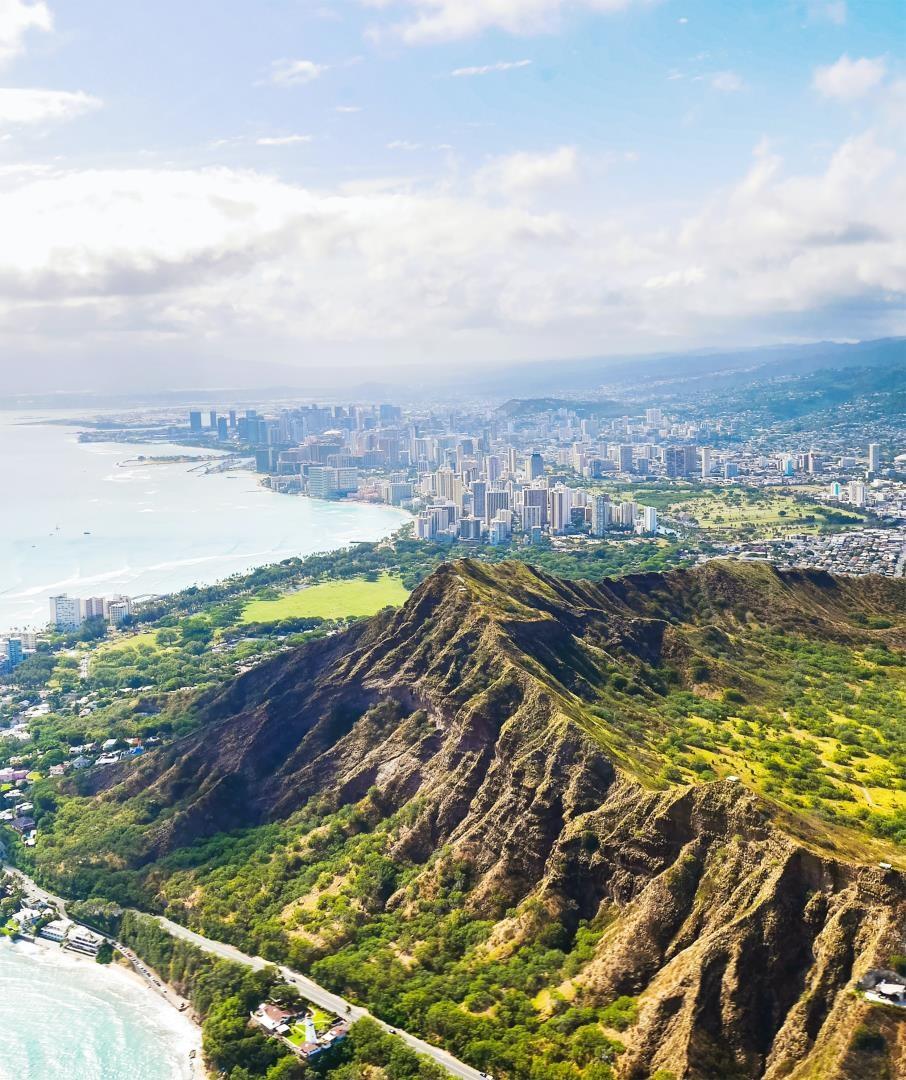

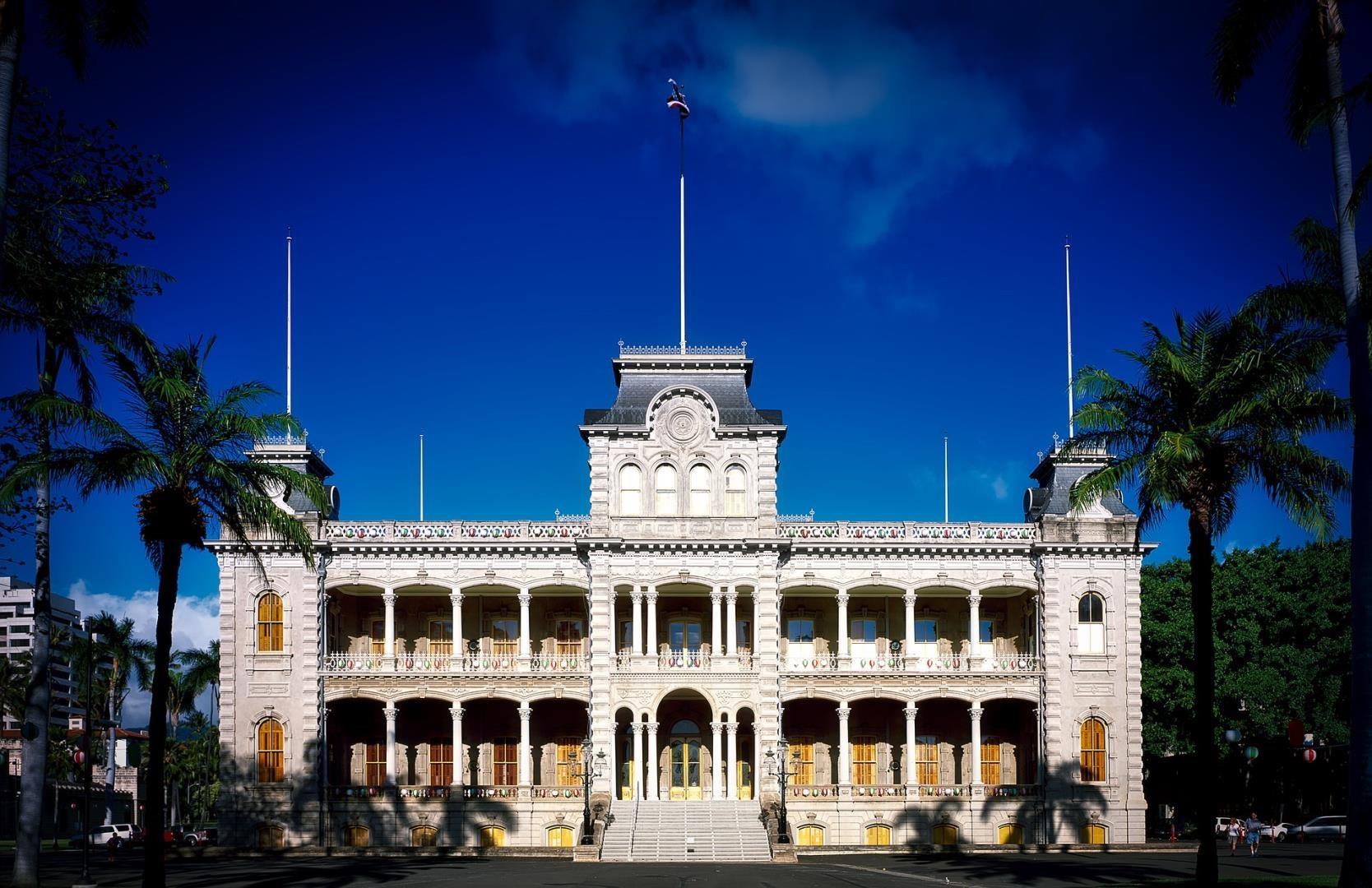

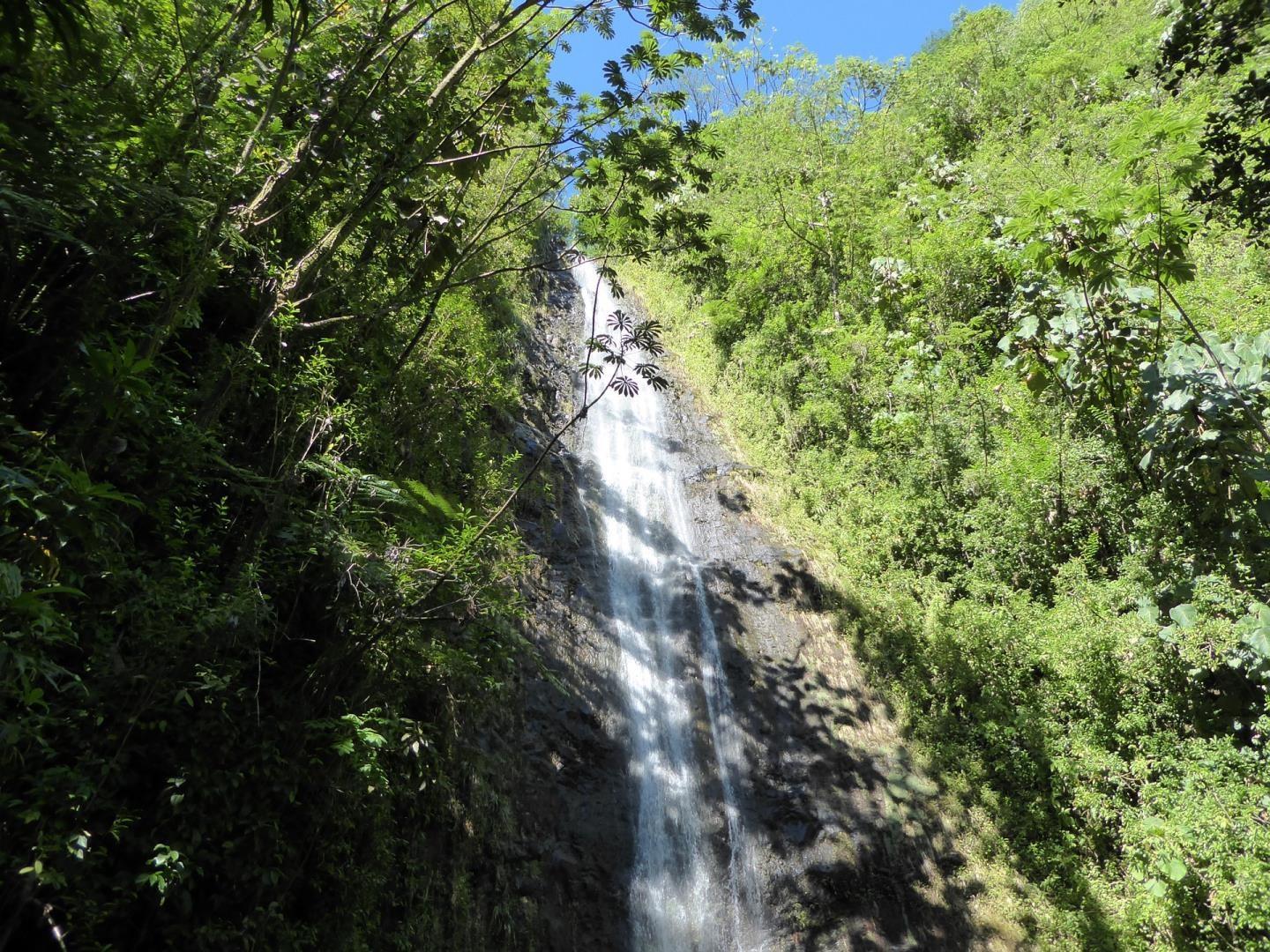

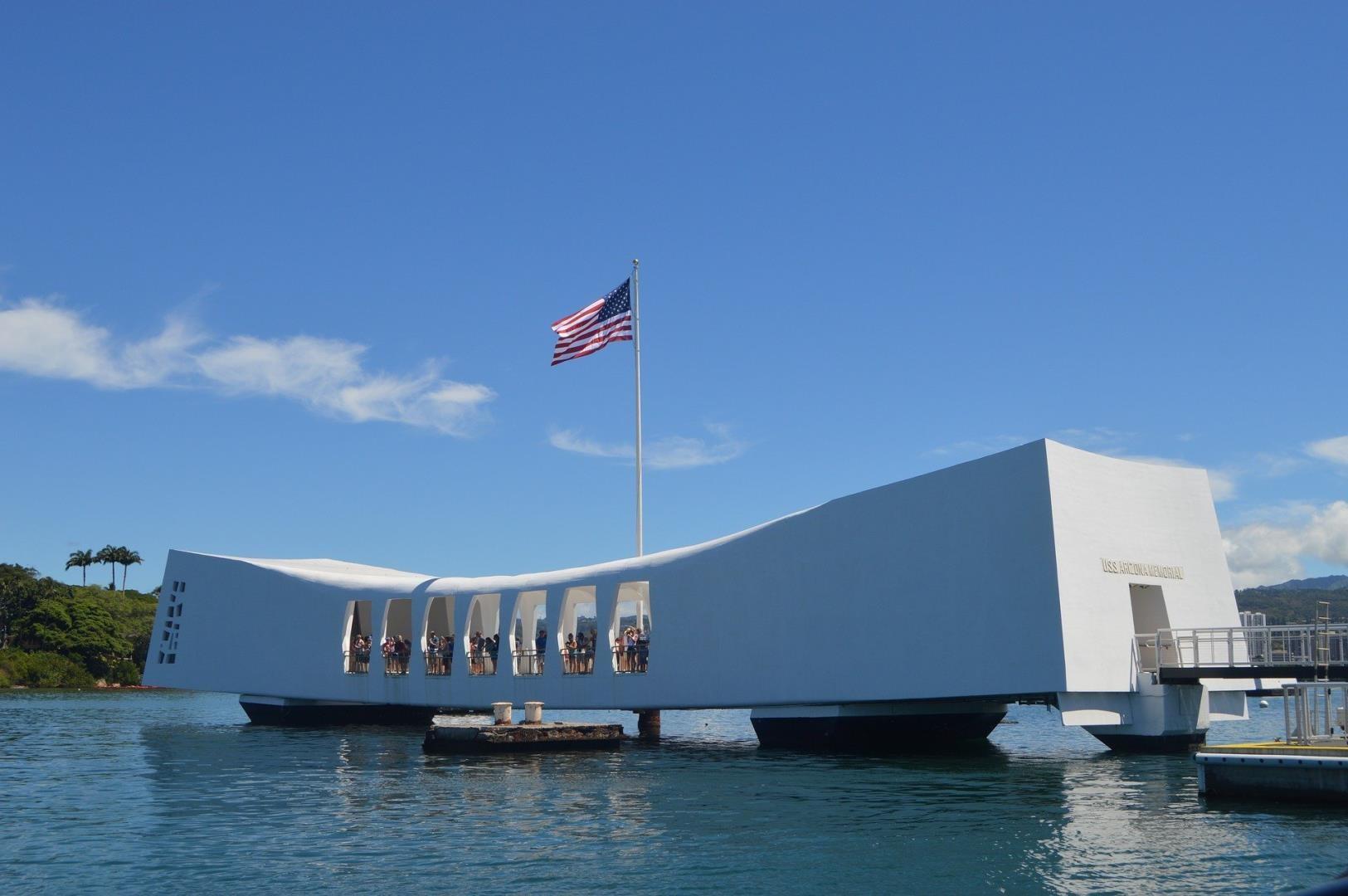

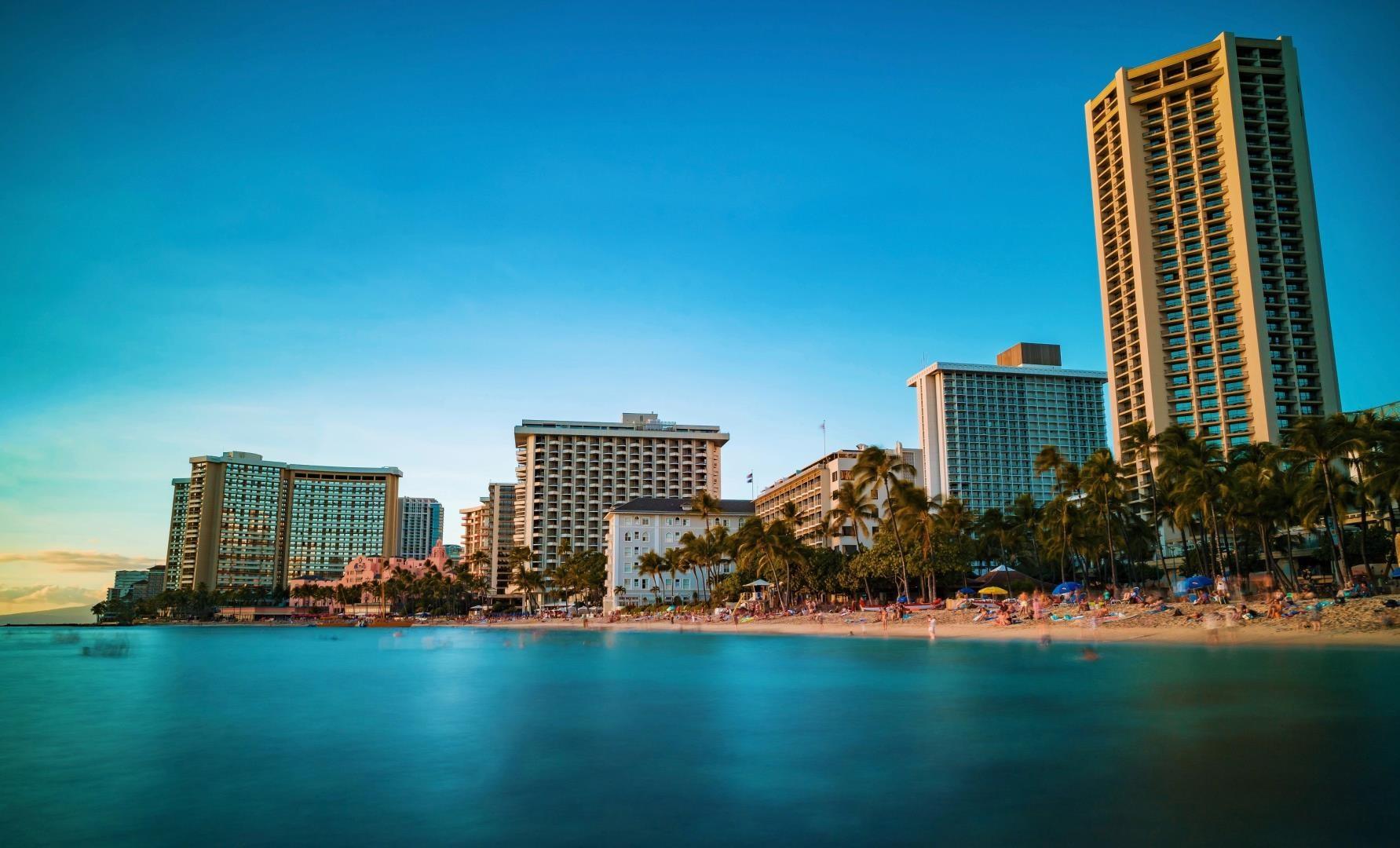

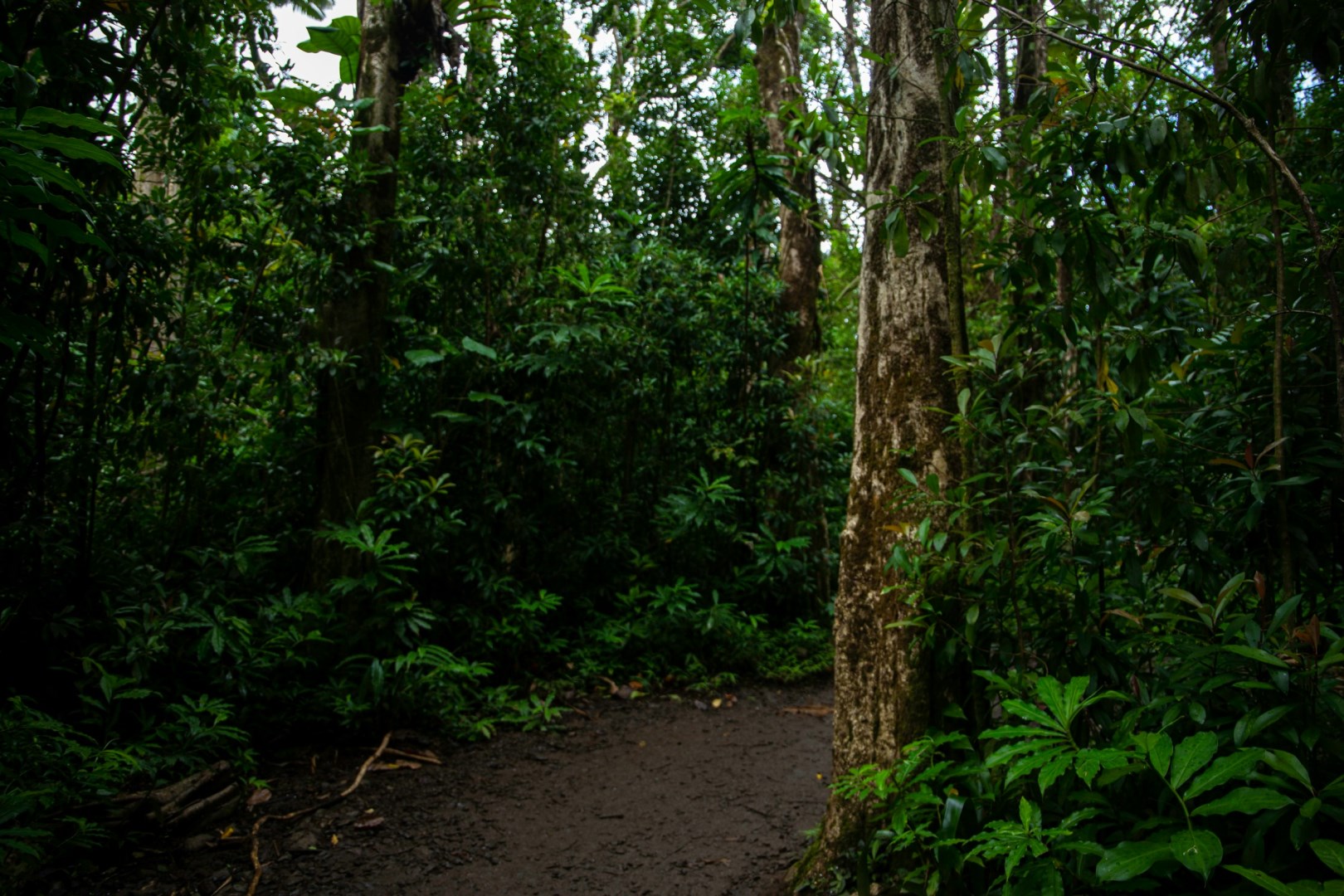
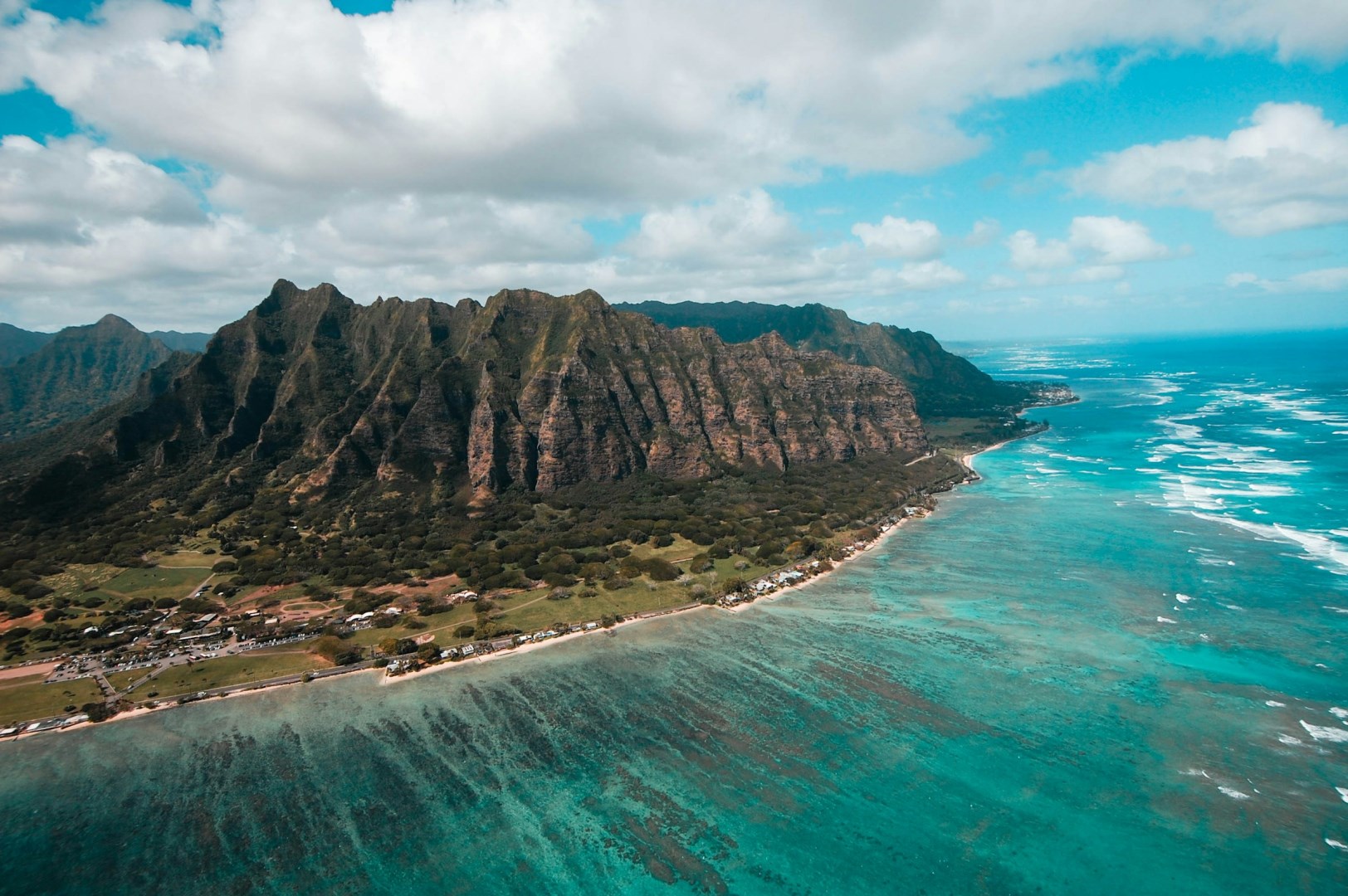
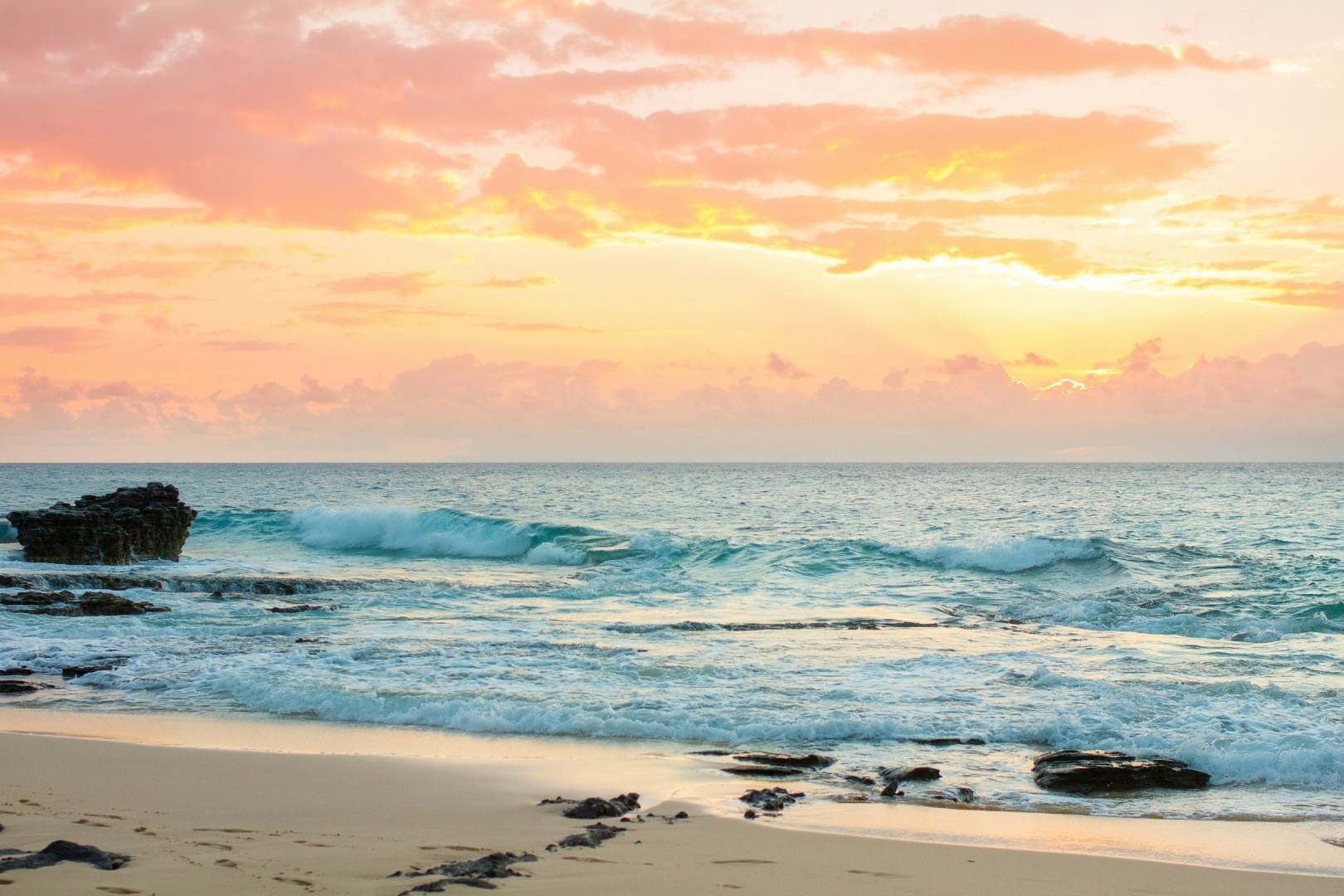
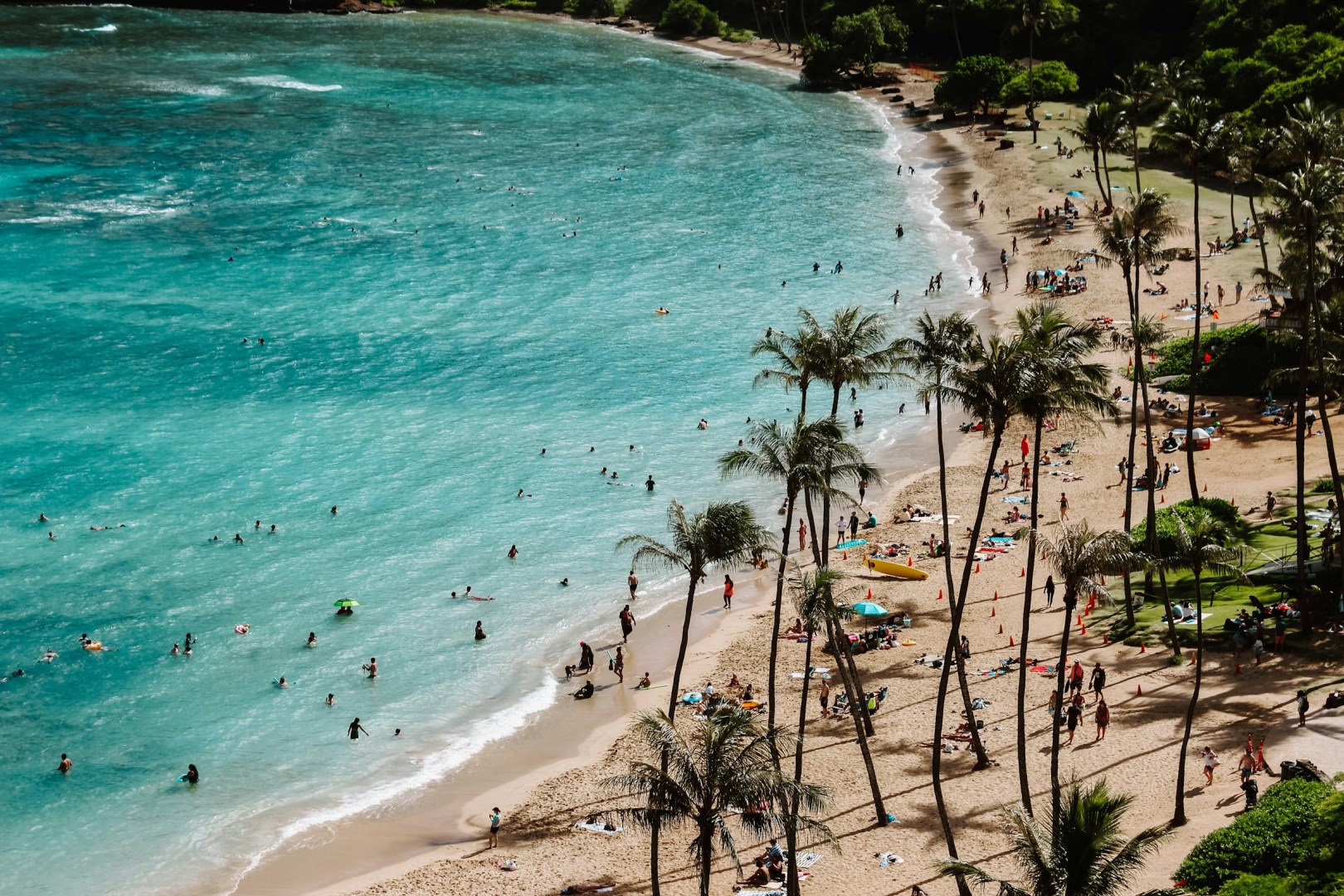
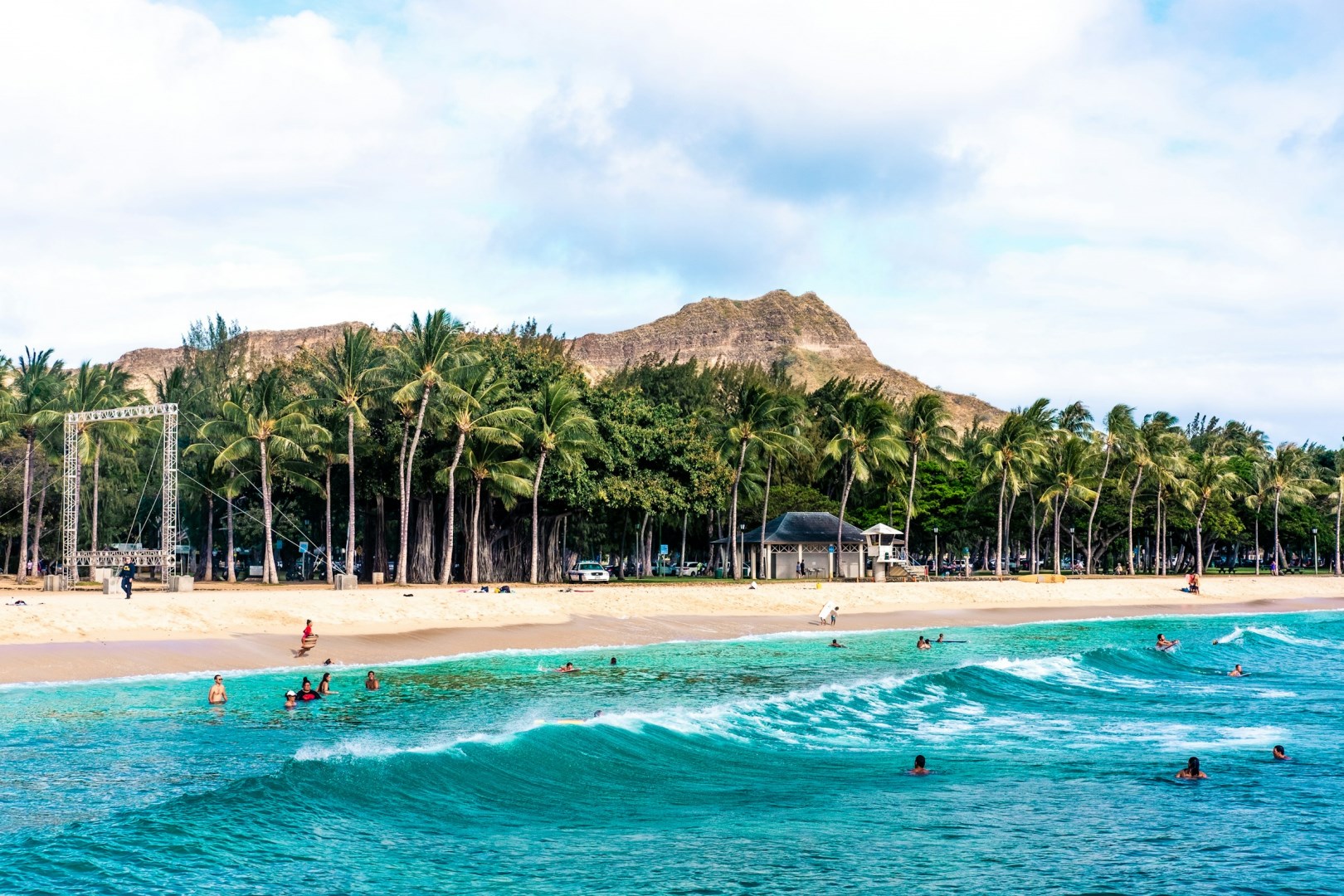
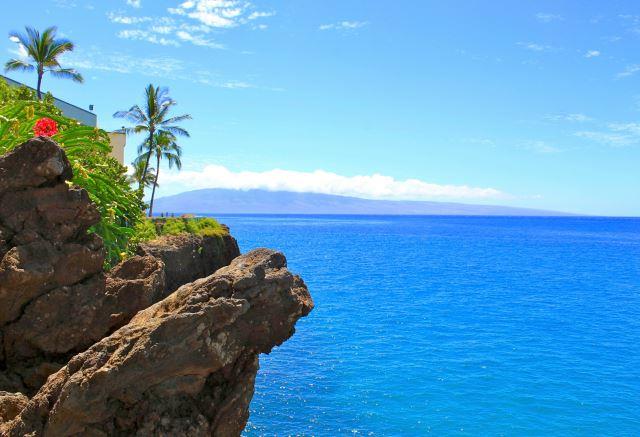
Honolulu, the capital of Hawaiʻi and the largest city in the Pacific, blends the energy of a major urban center with the deep roots of Native Hawaiian culture. Set on the island of Oʻahu, it’s home to iconic beaches, royal history, and a rhythm all its own. This sunny capital city is the main portal to the larger Hawaiian archipelago, and the perfect base for exploring Oahu.
Waikīkī may be the most recognized part of Honolulu, and for good reason. Once a playground for Hawaiian royalty, today it’s a lively beachfront neighborhood known for surfing, shopping, and sunsets. But beyond the high-rises and hula shows, you’ll find places like Kūhiō Beach Hula Mound, where traditional hula performances are offered free to the public several nights a week. For panoramic views, hike the trail to the summit of Lēʻahi (Diamond Head), an extinct volcanic crater that has watched over Waikīkī for centuries.
Honolulu’s food scene is a flavorful reflection of its cultural mix. Plate lunches, poke bowls, malasadas, and loco moco are more than meals, they’re a local language of comfort. At places like Helena’s Hawaiian Food, visitors can try kālua pork, poi, and haupia in a casual setting that feels like a community gathering. Chinatown, one of the oldest in the U.S., is a walkable district packed with dim sum spots, lei stands, and noodle shops. It’s also grown into an artsy pocket of the city, with galleries and bars tucked into historic buildings.
Kuhio Beach is a well-known shoreline in Waikiki, Honolulu, located between the Waikiki Beach Walk area and the eastern end of the main resort district. The beach sits along a protected section of the coast, with the slopes of Diamond Head visible farther east. A seawall and offshore structures help create relatively calm water near the shore, making the beach a popular place for swimming and traditional Hawaiian water activities. Its location also places it close to Kalākaua Avenue, where hotels, shops, restaurants, and public spaces line the busy Waikiki waterfront.
The beach is named for Prince Jonah Kūhiō Kalanianaʻole, a member of the Hawaiian royal family and an important figure in the history of modern Hawaiʻi. Nearby Kūhiō Beach Hula Mound is associated with traditional hula performances and community events, reflecting the continued presence of Hawaiian cultural practices in Waikiki. The area also features the Duke Kahanamoku statue, honoring the Hawaiian surfer, swimmer, and Olympic athlete who helped introduce surfing to audiences around the world. These landmarks connect the busy beachfront with important figures and traditions in Hawaiian history.
Kuhio Beach is divided from the open ocean by a series of offshore barriers that create a protected swimming area, often known as the Kuhio Ponds. The shoreline is broad and sandy, while the water generally has gentler conditions than some exposed sections of Waikiki. The beach provides views toward Diamond Head and the Pacific and is connected to Waikiki's coastal promenade. Nearby attractions include the Waikiki Aquarium, Honolulu Zoo, and Kapiʻolani Park, while the surrounding streets provide access to numerous hotels and public transportation routes.
The beach is also part of Waikiki's long-standing relationship with ocean recreation. Visitors can swim, paddle, watch surfers, or simply use the shoreline as a place to experience the Pacific coast within central Honolulu. The protected water is particularly notable because it was created through coastal engineering rather than being a naturally enclosed lagoon. Kuhio Beach also has showers, restrooms, picnic areas, and lifeguard services, making it one of the more accessible public beaches in Waikiki. Its combination of Hawaiian cultural landmarks, protected coastal waters, and urban surroundings gives the area a distinctive place within Honolulu.